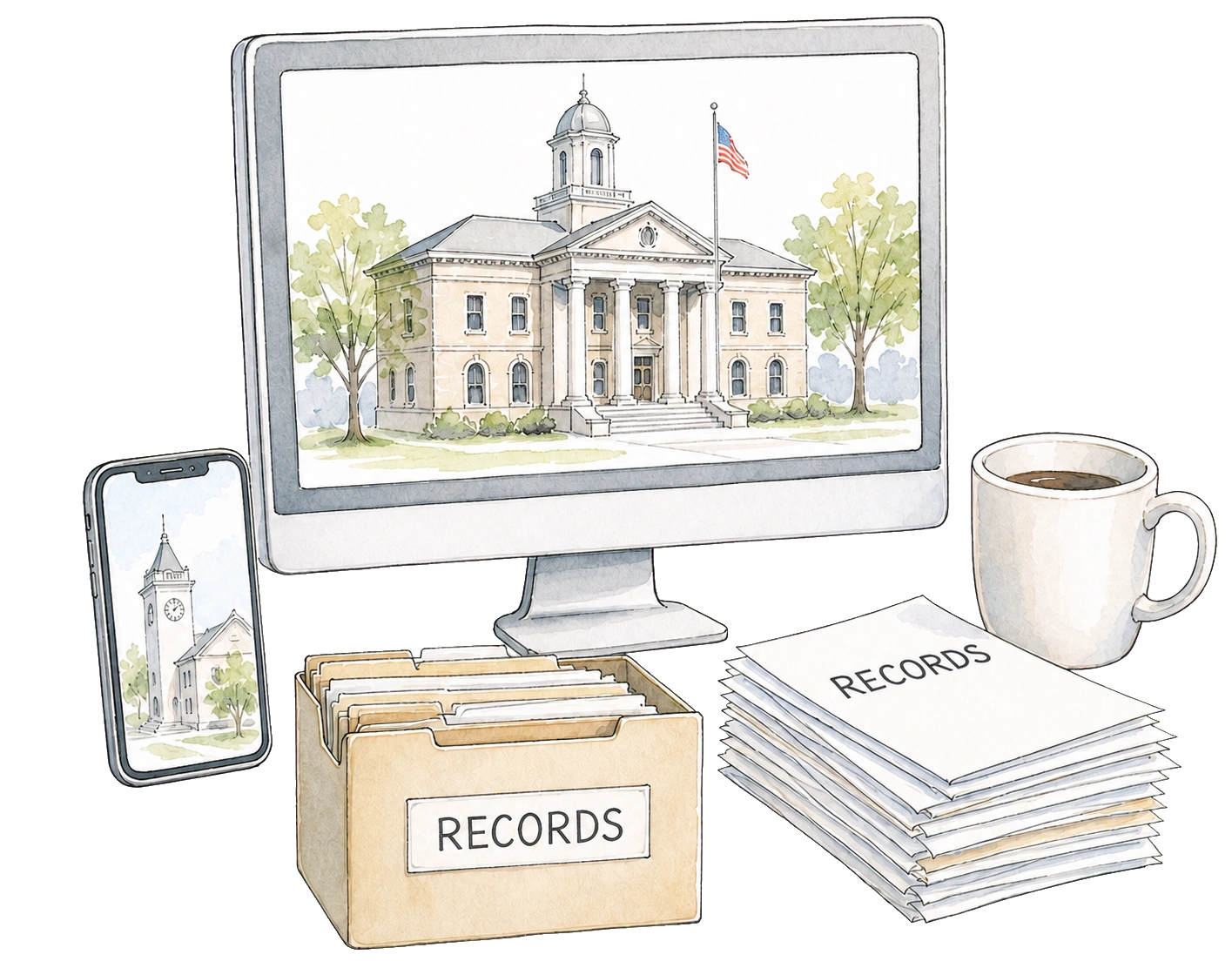

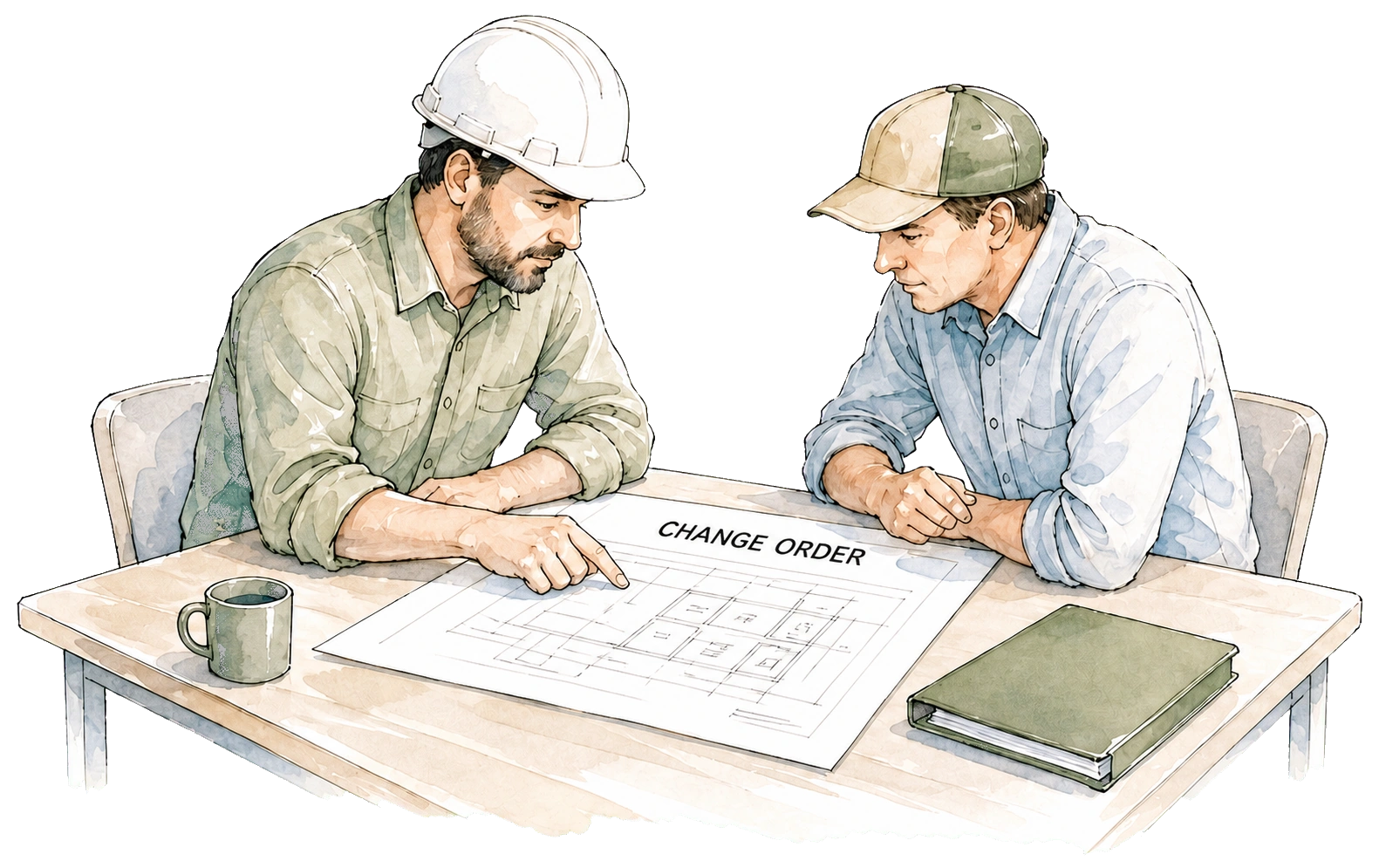


Every dollaron the record

A procurement platform where money moves fast, and everyone can watch.

For residents

Public spending stays visible without a request, a login, or a call to town hall.

For vendors

Card-funded work begins the same day the contract is awarded, not a month later.
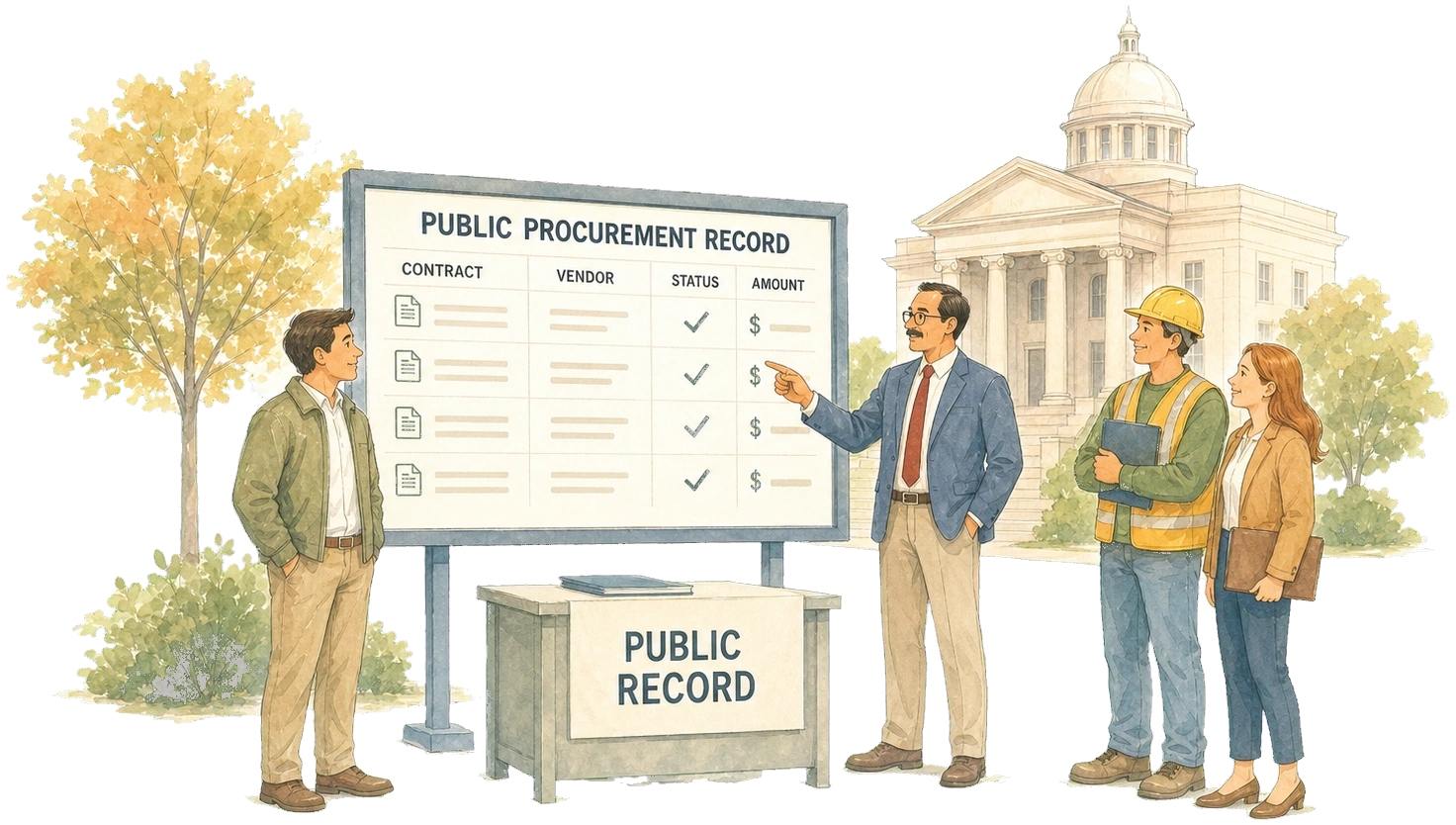
People standing around a public procurement record board in front of a courthouse, illustrating an open civic ledger scene.
The Problem

Contract work is scattered. Slow. Unclear

Most municipalities manage real contractor spend through inboxes, PDFs, calls, and memory. The result is weaker clarity, weaker accountability, and slower answers for everyone involved. In most towns, one person is managing all of it.

Cluttered desk with scattered papers — fragmented workflow illustration.
01

Fragmented workflow

Procurement, approvals, work confirmation, and payment follow-up often live in different places and depend on individual staff memory.

Worried contractor next to binders — payment friction illustration.
02

Payment friction

Contractors face uncertainty around timing, status, and approval steps, which creates avoidable friction and can raise the price of risk.

Late-visibility table scene — public ledger illustration.
03

Late visibility

Most public records requests are just asking who got paid what. A live ledger answers that before anyone asks.

How It Works
Civic-Chain

From request to payout

Civic-Chain turns a fragmented process into a shared contract workflow. Each step below pairs two stages that stay connected inside the same contract record.

01
Step one

Open the work and keep the starting record clear

The town publishes the request and can document public input where appropriate without letting that layer take over the whole process.

Publish requestDocument input
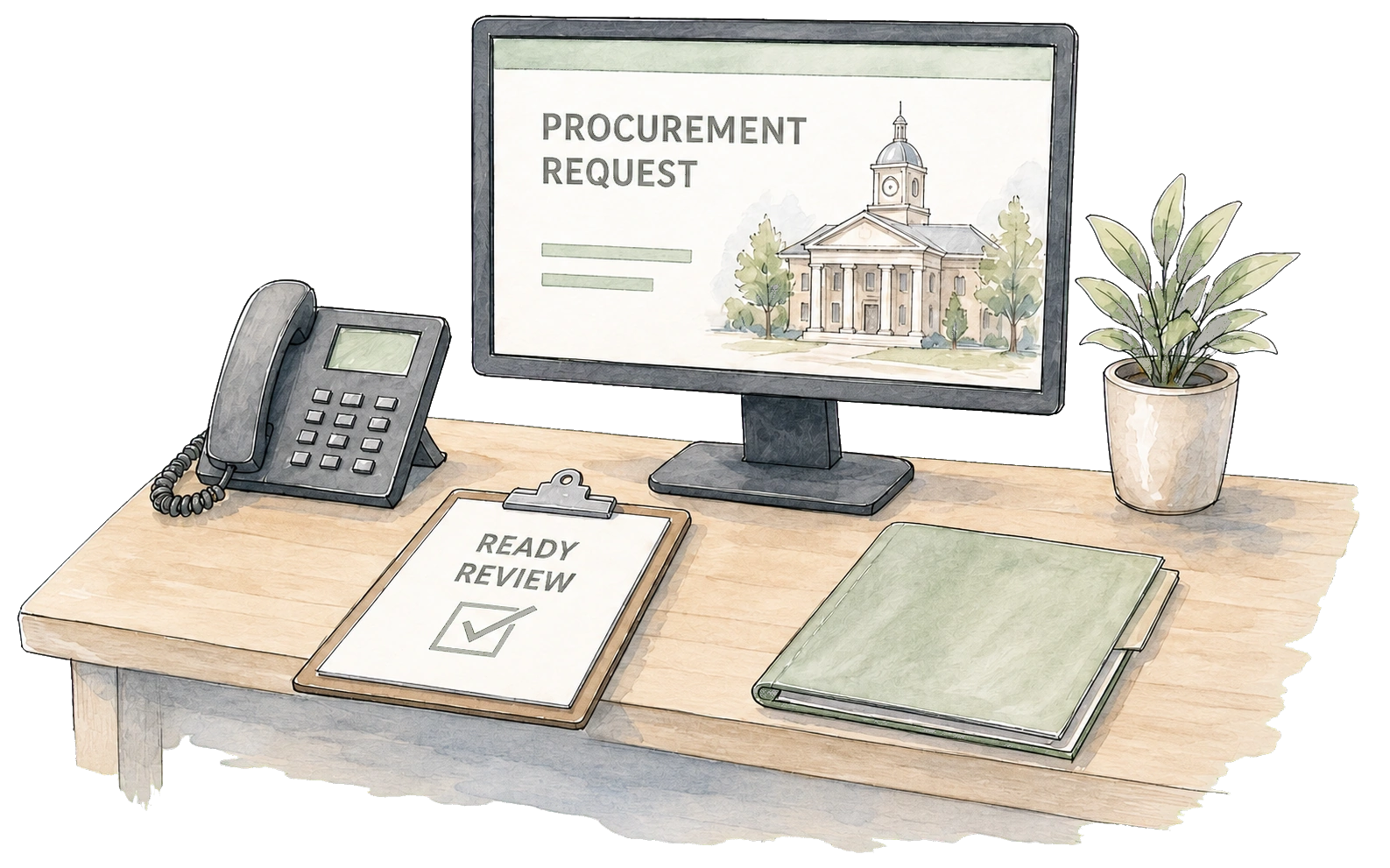
Request desk illustration with documents and a lamp.
02
Step two

Move from award to controlled spend

Once a vendor is chosen, the contract record, spend rules, and payment readiness stay tied to the same workflow instead of being handled ad hoc.

Record awardControl spend
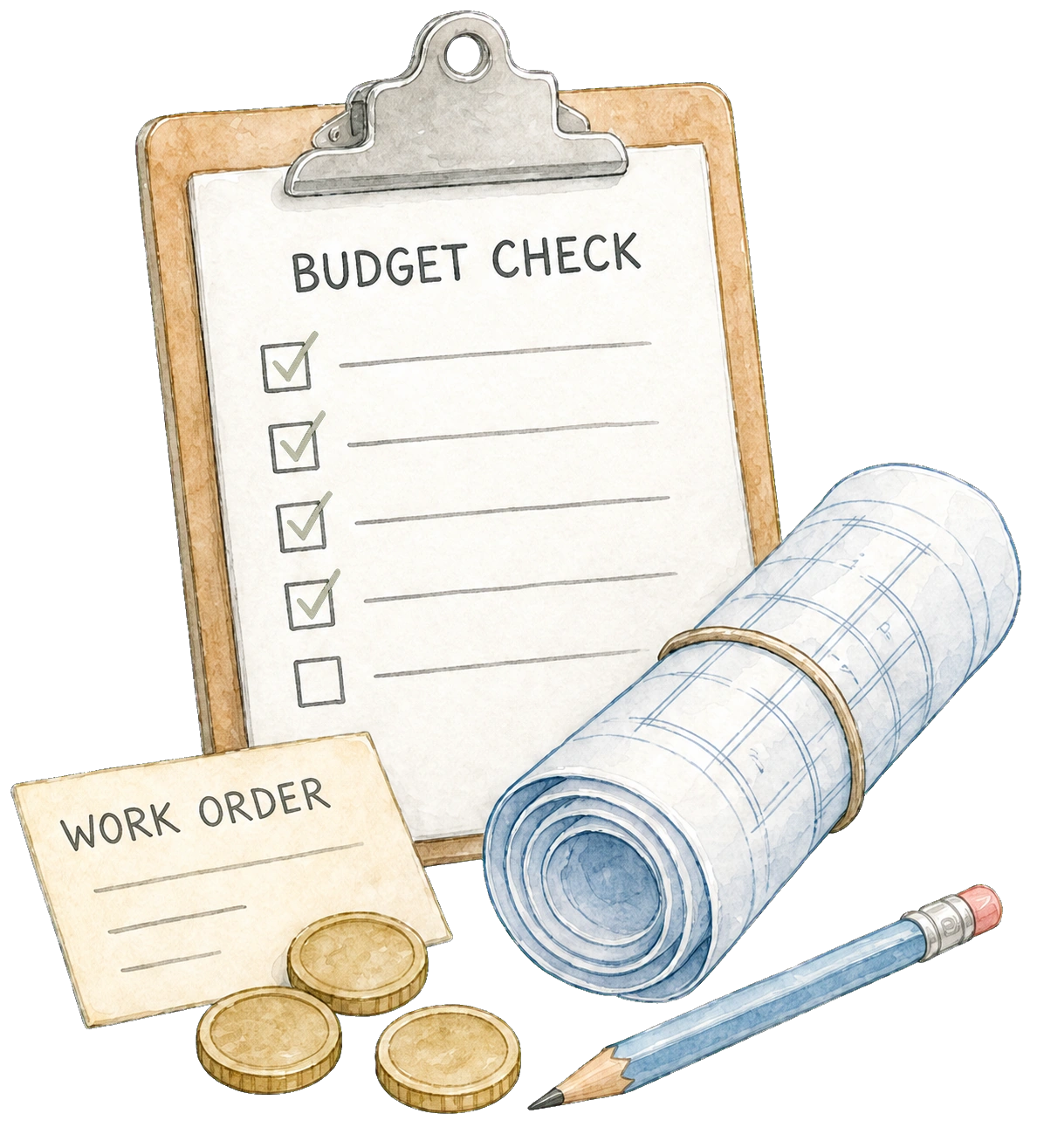
Clipboard with contract record and stacked coins illustration.
03
Step three

Confirm the work and authorize payout

Completed work is confirmed before payout moves forward, leaving a readable record of what happened, who approved it, and how funds moved.

Confirm workAuthorize payout
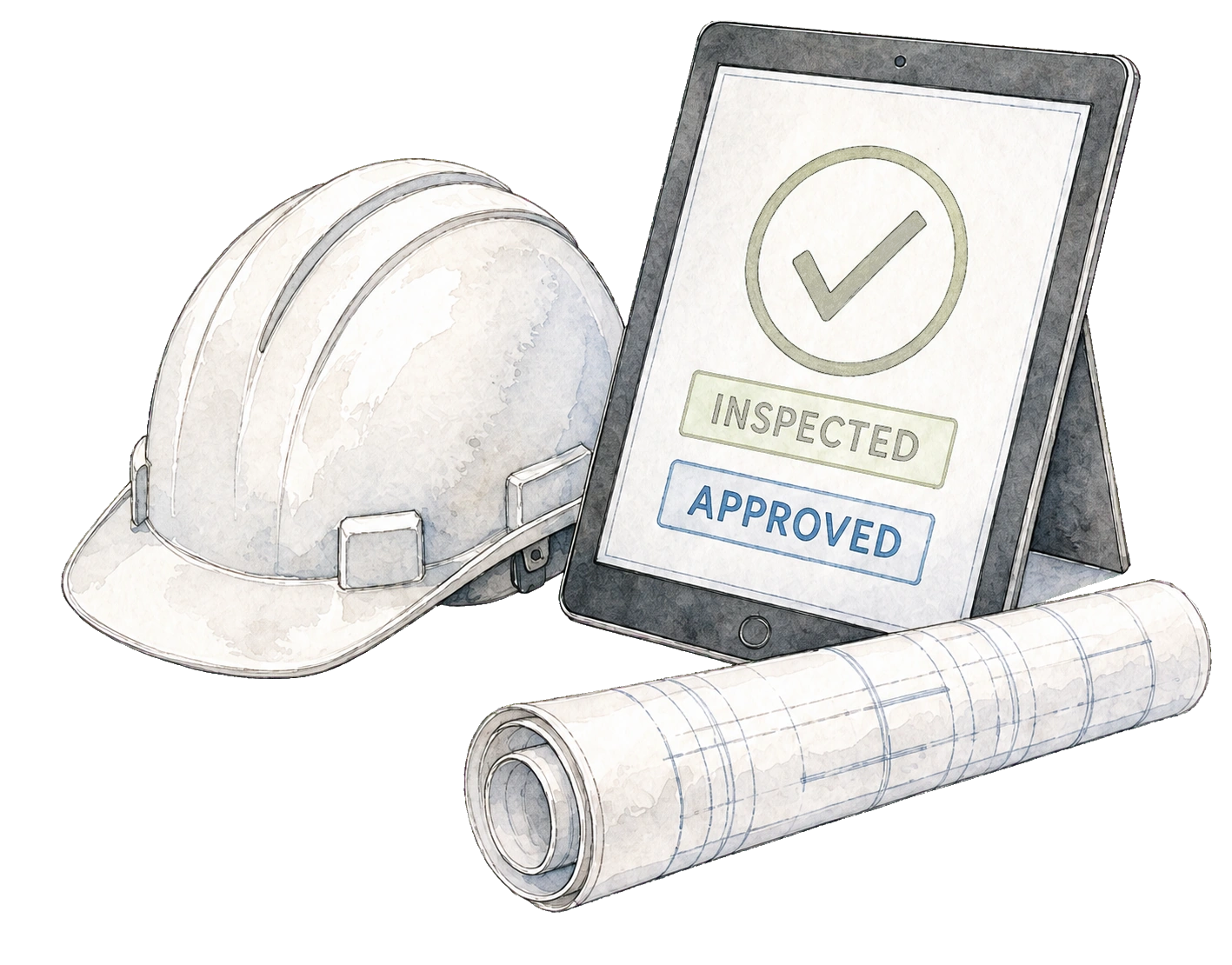
Open ledger with checkmark in front of a courthouse illustration.
Why It Matters

Friction costs money

When every contract is managed manually, cost grows on both sides. Staff chase status, contractors price around uncertainty, and weak visibility makes every follow-up slower.

$208B

cost to the U.S. construction industry in a single year from late payments, up 53% from the prior year

~25%

of global government procurement spending lost to inefficient or shortsighted procurement practices, roughly $1 trillion per year

82% faster

invoice processing time achieved by organizations using modern digital payment workflows versus manual ones

4 seconds

to settle a vendor payment on XRPL versus 1 to 3 business days on ACH. Civic-Chain funds vendors the same day a contract is awarded, at less than a cent per transaction instead of $25 to $50 per wire.

Next Step

Contact us

If you want to talk through the workflow, reach the team directly.

FAQ

Quick answers

Who is Civic-Chain built for?

Any entity that manages shared contractor spend. That includes small towns, mid-size cities, counties, school districts, HOAs, and other public or quasi-public bodies. The contract workflow is the same regardless of size: open the work, control the spend, confirm completion, and keep the record visible.